Peeled Vintage Flowers Vol.9: A Textured Paper Collection
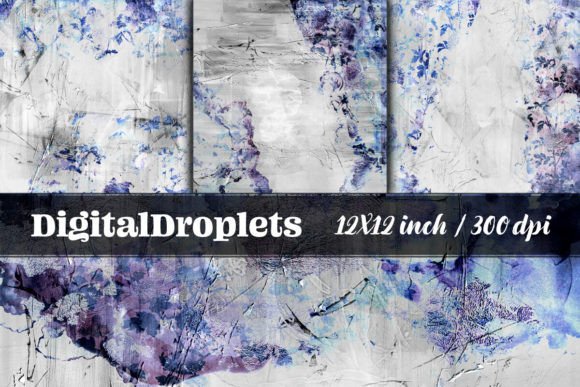
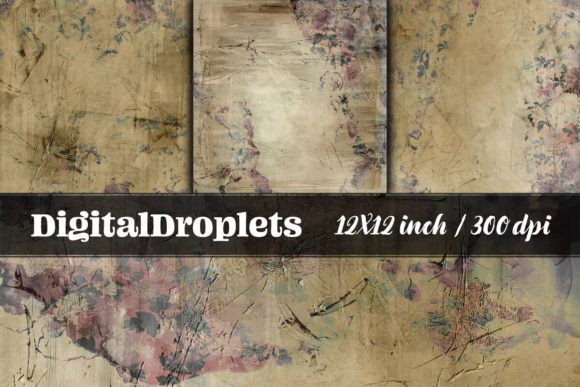
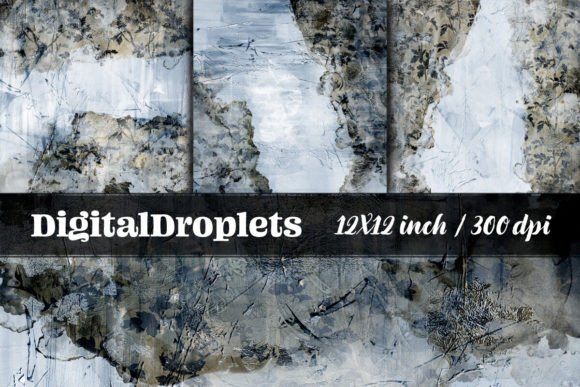
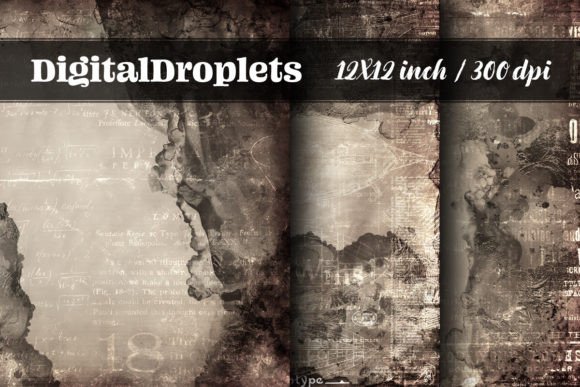
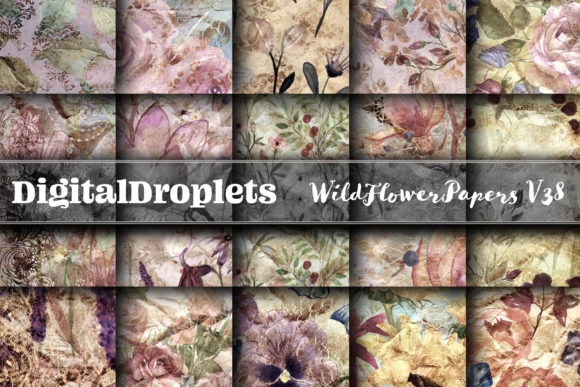
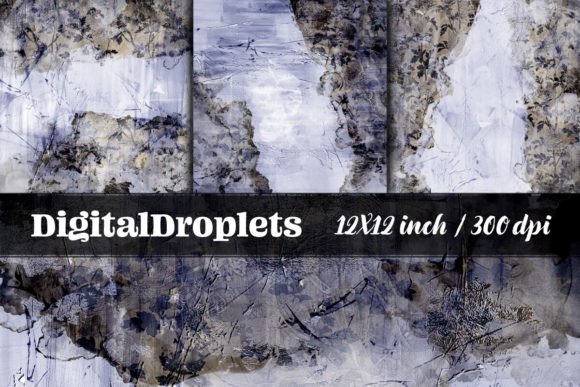
There's a certain magic in objects that bear the marks of time. A faded letter, a sun-bleached photograph, a wall where the paint has softly chipped away to reveal layers of history. This is the essence captured in Peeled Vintage Flowers Vol.9. It’s not just a digital paper set; it’s a curated collection of 20 high-resolution textures designed to inject immediate depth, narrative, and a touch of nostalgic elegance into any creative project. Each 12x12 inch, 300dpi JPEG file combines delicate, faint floral patterns with the authentic, tactile feel of old paper and gently peeling paint. The result is a versatile design asset that feels both discovered and designed.
The Anatomy of a Timeless Texture
Understanding the components of this collection is key to using it effectively. The visual personality of Peeled Vintage Flowers Vol.9 is built on three core layers:
- The Foundation: Old Paper Textures. This is the base layer, providing a warm, slightly uneven canvas. It mimics the grain and subtle discoloration of aged parchment or vintage book pages, offering an instant sense of history and authenticity.
- The Pattern: Faint Floral Motifs. Overlaid on the base are soft, often botanical patterns. These aren't bold, modern graphics. They are subdued, as if printed long ago and faded with time, adding a layer of delicate, organic beauty without overwhelming a composition.
- The Character: Peeling Paint Effect. This is the defining feature from the Floral Books Collection. The "peeled" effect introduces a dynamic, imperfect edge. It creates visual interest and a sense of decay that feels organic and artistic, perfect for adding a focal point or a distressed frame to your work.
The overall appeal lies in this sophisticated layering. It avoids the sterility of a clean, digital-only texture. Instead, it offers a ready-made aesthetic that can ground modern designs in a sense of heritage, making it far more than just a background—it's a storytelling tool.
Practical Applications for Modern Creators
The real value of a design asset like this lies in its adaptability. While its vintage style is clear, its applications span a wide range of contemporary needs for designers, entrepreneurs, and hobbyists alike.
Digital and Brand Identity Work
For those building a brand identity, these papers offer a quick way to establish a cohesive, textured look. Use them as backgrounds for social media graphics to create posts that feel artisanal and tactile. They can serve as the base for web design elements, like header images or section backgrounds, adding depth without heavy code. In packaging design, a texture from this set can wrap a product box, giving a small-batch, handcrafted feel. For logo design presentations, placing the logo on one of these textures instantly communicates a brand's vintage or artisanal values.
Print and Editorial Projects
Where this collection truly shines is in print. The 300dpi resolution ensures crisp output. Use it for editorial design in magazine layouts or book interiors to create chapter title pages or pull quotes with a nostalgic flair. It’s ideal for invitation design—wedding, event, or business—where a sense of elegance and history is desired. For scrapbookers and junk journal enthusiasts, these are premium backgrounds that eliminate the need for manual aging. They also work beautifully for creating custom washi tape, gift tags, envelopes, and planner stickers.
Personal and Commercial Craft
The included commercial license (DD 10829) opens doors for small business owners. Print these textures onto cardstock to create unique cards and frames. Use them as backgrounds for blog design elements or digital planner stickers. The possibilities extend to wall art prints, collages, and mixed-media projects. The key is that the heavy lifting of creating a complex, vintage texture is already done for you, allowing you to focus on composition and message.
Integrating Texture: A Guide to Effective Use
Having a powerful asset is one thing; using it with skill is another. Here’s how to ensure Peeled Vintage Flowers Vol.9 enhances rather than hinders your work.
- Evaluate Project Fit First. This texture set has a distinct voice: romantic, nostalgic, and slightly rustic. It will naturally complement projects for florists, bakeries, vintage clothing brands, authors, or wellness practitioners. It may clash with ultra-modern, minimalist, or high-tech aesthetics. Always start by asking if the texture's personality aligns with your project's core message.
- Master Font Pairing. The texture provides a busy background, so your typography must remain legible. Pair it with clean, simple typefaces. A sturdy sans serif font for body text provides excellent contrast. For headlines, a elegant serif font or a restrained script font can work, but test it carefully. Avoid overly ornate or handwritten font styles that could get lost in the texture.
- Consider Readability and Hierarchy. Use the texture strategically. A full-bleed background can be stunning but ensure text is placed over the least busy areas or on a semi-transparent color overlay to maintain contrast. Use the "peeled" effect to naturally frame key information, guiding the viewer's eye.
- Think in Layers. Don't just use the paper as-is. In your design software, experiment with blending modes (like Multiply, Soft Light, or Overlay) to integrate the texture seamlessly with your color palette. Layer multiple papers from the set to create unique, custom backgrounds. This is where you move from using a design asset to truly making it your own.
In the end, Peeled Vintage Flowers Vol.9 is about providing a foundation of quality and character. It’s a professional-grade toolkit for anyone looking to add a layer of authentic, vintage charm to their digital and physical creations. By understanding its components and applying it thoughtfully, you can elevate your projects from simple to simply unforgettable.