Charming Design Assets: Using Big Floral Library Cards Vol.2
There is a specific kind of tactile nostalgia that digital design often struggles to capture. We miss the weight of cardstock, the grain of paper, and the smell of a library archive. If you are working on a project that requires that vintage, intellectual, yet organic aesthetic, finding the right design assets is usually the biggest hurdle. This is where the Big Floral Library Cards Vol.2 collection steps in, offering a bridge between the structured world of typography and the wild beauty of nature.
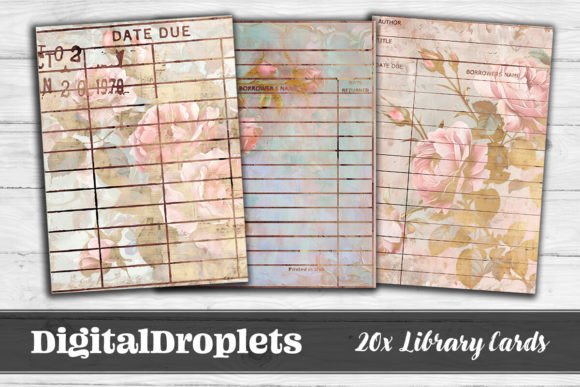
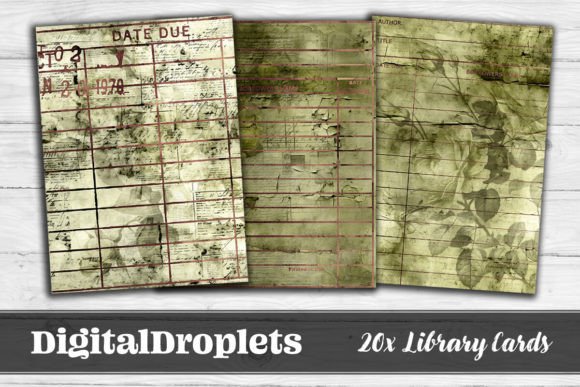
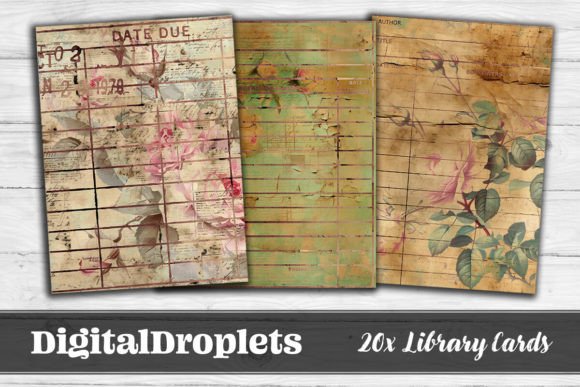
I recently integrated this set into a client project for a boutique stationery line, and the results were immediate. This isn't just a random assortment of images; it is a curated collection of 20 high-resolution PNG files that function as versatile creative font alternatives for background textures and focal points. The visual characteristics are distinct: imagine the rigid, ruled lines of a classic card catalog system, but softened and overrun with lush, detailed floral patterns. The personality of these cards is "structured whimsy." It appeals to the eye of the editorial design professional who understands that contrast—the hard lines of data versus the soft curves of petals—creates visual tension that holds the viewer's attention.
Integrating Library Aesthetics into Modern Typography
When we talk about modern typography, we often focus on the typeface itself—whether it is a serif font or a sans serif font. However, the environment in which that text sits is equally important. The Big Floral Library Cards Vol.2 set works exceptionally well as a backdrop for display text. Because the files are 300dpi and high resolution, you can layer them behind a bold script font or a clean handwritten font without losing clarity. The library card lines provide a natural baseline for text, which is a subtle but powerful tool for visual hierarchy.
For brand identity projects, specifically those targeting the education sector, artisanal markets, or vintage goods, these assets offer a shortcut to sophistication. You don't need to be a master of packaging design to see how these would work on a coffee bag or a candle label. The floral overlays soften the industrial feel of the "library" element, making the design feel welcoming rather than sterile. It is a balance that many premium font foundries try to achieve but rarely manage to capture in a single static asset.
Practical Applications for Designers and Crafters
The versatility of the Big Floral Library Cards Vol.2 collection extends well beyond standard web design. Here are a few practical ways I have seen this set utilized effectively by other creatives:
- Junk Journals and Scrapbooks: This is the most obvious application, but it bears repeating. The 20 variations ensure that you aren't repeating the same background on every page. The design assets provide instant "clutter" that looks intentional and curated.
- Social Media Graphics: In the fast-scrolling environment of Instagram or Pinterest, texture stops the thumb. Using a library card as a frame for a quote or a promotion adds a layer of depth that flat color blocks cannot match.
- Logo Design Elements: While you wouldn't use the card as the logo itself, it works beautifully as a watermark or a secondary graphic element in a brand kit. It suggests heritage and knowledge.
- Digital Collages: For content creators and bloggers, these PNGs are perfect for creating mood boards or "desk scenes" without needing to photograph physical props.
Evaluating Fit and Readability
As a commercial font or asset user, you know that not every tool fits every job. While Big Floral Library Cards Vol.2 is a powerful design asset, it demands respect regarding readability. Because the background features both ruled lines and floral illustrations, it is a "busy" surface. If you overlay a complex display font with thin strokes, the text will likely disappear into the noise.
My recommendation is to treat these cards as you would a textured background in packaging design. Use bold, high-contrast typography. A heavy sans serif font or a thick serif font usually pairs best. You want the text to punch through the illustration. When testing font pairing, look for typefaces that have a solid weight—think "Black" or "Ultra Bold" styles. The library card lines can actually help guide the eye, but only if your text is sized appropriately to dominate the composition.
The Value of High-Resolution Assets
One technical aspect worth noting is the quality of the files. In the world of digital scrapbooking and print-on-demand, resolution is king. The fact that this collection includes 300dpi files at 1000x1000 pixels means you have significant flexibility. You can crop into a specific corner of a floral arrangement for a close-up texture, or use the full card for a logo design mockup. This level of detail ensures that your final product—whether it is a printed photo album or a digital PDF—looks professional. It eliminates the pixelation issues that plague lower-quality freebies.
For the entrepreneur or small business owner looking to DIY their marketing materials, this set is a lifesaver. It allows you to create complex, layered social media graphics without needing advanced Photoshop skills. You simply place the card, add your text, and you have a piece of content that looks like it took hours to design. It bridges the gap between amateur and professional aesthetics.
Final Thoughts on Creative Execution
Ultimately, Big Floral Library Cards Vol.2 is about adding character. In an era where modern typography can sometimes feel cold and overly digital, these assets bring warmth. They tell a story of quiet afternoons, old books, and blooming gardens. Whether you are a publisher designing a book cover, a marketer creating a newsletter header, or a crafter working on a personal gift, the value lies in the details. It is a set that rewards experimentation, so don't be afraid to layer, crop, and blend until the library and the garden become one.