TetroFlunk Wallpaper Vol. 5: A Grungy Textured Collection
The Raw, Vibrant Personality of This Paper Set
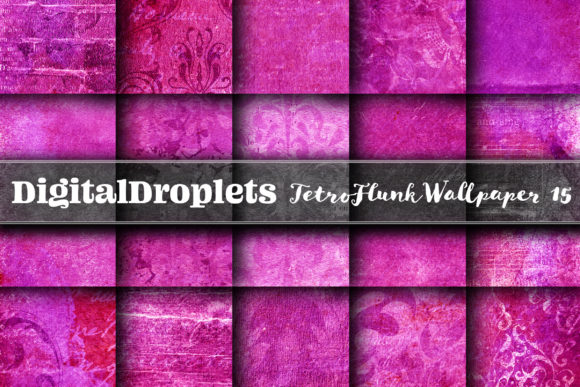
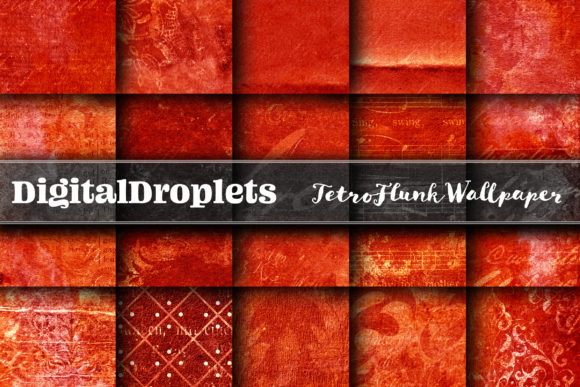
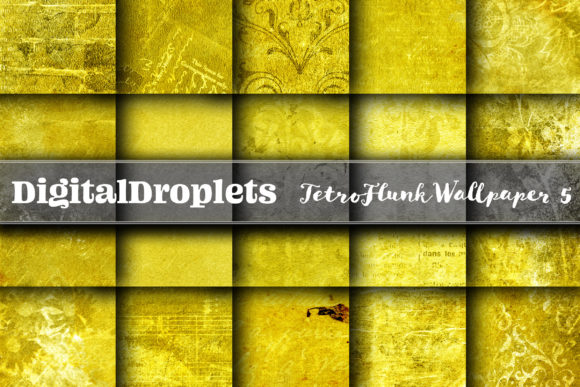
When you're building a brand identity or crafting a physical product, the background texture does more heavy lifting than most people realize. It sets the mood, grounds the visual hierarchy, and communicates personality before a single word is read. The TetroFlunk Wallpaper Vol. 5 | Collection enters this space with a distinct point of view—vibrant colors meeting distressed, grungy textures layered with patterns, script, and writing elements that feel lived-in rather than manufactured.
What makes this particular set stand out among other design assets is the tension it creates. These aren't clean, sterile backgrounds. They carry visual noise—overlapping textures, handwritten marks, worn edges—but the color palettes remain energetic and intentional. That combination gives each of the 18 included papers a unique character. One page might lean into warm, saturated tones with faded typewriter text bleeding through. Another might feature cooler hues with geometric patterns partially obscured by gritty overlays. The variety within the collection means you're not recycling the same background across multiple projects, which matters when consistency and differentiation both count.
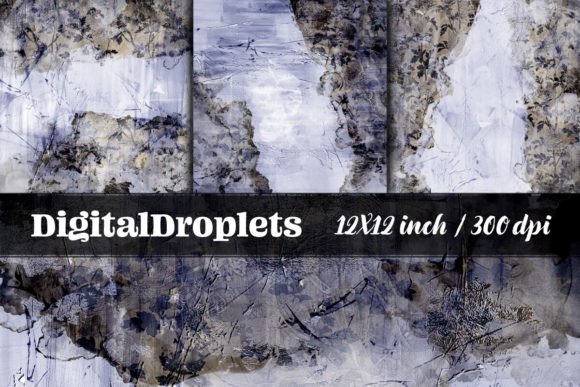
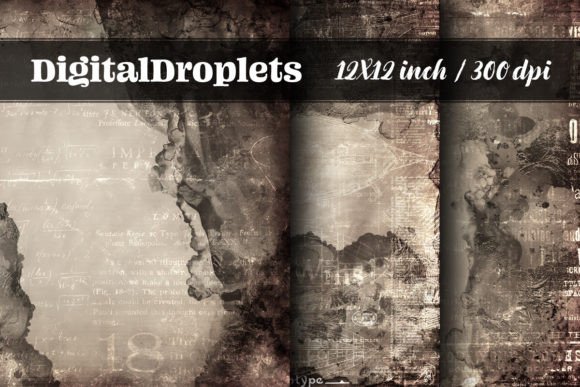
At 12×12 inches and 300dpi in JPEG format, these files are built for real production work. Whether you're printing at high resolution for physical products or using them digitally, the quality holds up. That's a practical consideration often overlooked when evaluating background textures—resolution isn't just about sharpness, it's about how textures render when scaled, cropped, or layered with other elements.
Where This Collection Actually Works
I've seen designers collect beautiful texture packs that sit unused because they don't translate to real projects. The TetroFlunk Wallpaper Vol. 5 avoids that problem through sheer versatility. The grungy-textured aesthetic fits a surprisingly wide range of applications, and understanding where it performs best helps you get genuine value from the set.
Scrapbooking and Junk Journals are obvious starting points. The layered, distressed look pairs naturally with ephemera, vintage photos, and hand-lettered elements. If you build junk journals to sell on platforms like Etsy, having 18 distinct backgrounds from a single cohesive collection streamlines your workflow without sacrificing variety. Each page feels like part of the same story but doesn't repeat itself.
Card Design and Invitations benefit from this aesthetic when you want to move away from polished, corporate-looking templates. Birthday cards, event invitations, and thank-you cards with a textured, slightly rebellious background communicate warmth and authenticity. The script and writing elements woven into the patterns add visual interest without requiring you to add more design components.
Brand and Marketing Applications might seem less obvious, but think about businesses that position themselves as artisanal, handmade, or counter-cultural. A small-batch candle company, an independent record label, a streetwear brand, or a craft brewery could use these textures as social media graphics backgrounds, blog post headers, or packaging design elements. The grungy texture signals authenticity and craft in ways that clean minimalism simply cannot.
Digital and Web Design projects also benefit. Website hero sections, newsletter headers, podcast cover art, and digital product mockups all need backgrounds that add depth without overwhelming foreground content. The key is knowing when to let the texture breathe and when to layer opacity or add a semi-transparent overlay so text remains legible.
Here's a practical list of projects where this collection fits naturally:
- Washi tape strips and planner stickers
- Gift wrap and envelope liners
- Tags, labels, and hang cards
- Collage art and mixed-media pieces
- Photography backdrops for flat-lay styling
- Wall art prints and home decor
- Blog design elements and content headers
- Frames, shapes, and decorative cutouts
Working With Textured Backgrounds Effectively
Having a strong texture collection is only half the equation. Knowing how to integrate it into your workflow without creating visual chaos separates polished design from cluttered compositions.
Readability comes first. When layering text over any of the 18 papers in the TetroFlunk Wallpaper Vol. 5, test your type choices against the busiest sections of the background. A bold sans serif font typically holds up well over grungy textures because the clean letterforms contrast with the distressed surface. Script fonts and handwritten fonts can work too, but they need more breathing room—consider adding a subtle drop shadow, a semi-transparent shape behind the text, or reducing the background opacity slightly.
Font pairing matters here. Because these backgrounds already carry visual complexity through their patterns, textures, and writing elements, your foreground typography should aim for clarity. A strong display font for headlines paired with a simple sans serif for body text creates a readable hierarchy that doesn't compete with the background noise. Avoid pairing ornate serif fonts or decorative script fonts directly over the most textured areas unless you're intentionally creating an layered, maximalist aesthetic and your audience expects that.
Color coordination is your next lever. The collection includes vibrant color variations, so pull accent colors from the background itself when choosing type colors, border treatments, or overlay elements. This creates cohesion without requiring you to match everything perfectly—the grungy texture already introduces intentional imperfection, so your color choices can feel organic rather than rigid.
Test before committing. If you're using these papers for a brand identity project or a product line, print a sample or render a digital mockup at actual size before finalizing. Textures that look striking at thumbnail size can feel overwhelming at full scale, and vice versa. The 300dpi resolution gives you flexibility to crop into specific sections of a paper if the full 12×12 composition is too busy for your application.
The creator also offers other color variations and free samples in their shop, which is worth exploring before purchasing. Testing a sample lets you evaluate how the textures interact with your specific design tools, printing setup, or digital platform. It's a small step that prevents wasted budget and revision cycles.
For commercial use, always verify the licensing terms. Most digital design asset creators outline clear guidelines for commercial applications, but the specifics vary. If you're producing items for sale—physical products like cards and journals or digital products like social media templates—confirm that the license covers your intended use. This protects your business and respects the creator's work.
Making the Collection Your Own
The real strength of the TetroFlunk Wallpaper Vol. 5 | Collection lies in its ability to serve as a foundation rather than a finished product. These 18 papers give you starting points—mood, texture, color, and visual weight—that you build on with your own typography, imagery, and design decisions. Whether you're a crafter working on handmade journals, a marketer developing social media content for an edgy brand, or a designer assembling client mood boards, the collection offers enough variety to support multiple projects without feeling repetitive.
Approach it as a design tool, not a decoration. Crop aggressively. Layer with intention. Pair it with typefaces that complement rather than compete. When you treat textured backgrounds as active design elements rather than passive fills, the entire composition gains depth and purpose. That's where a collection like this stops being a download on your hard drive and starts becoming a genuine asset in your creative process.